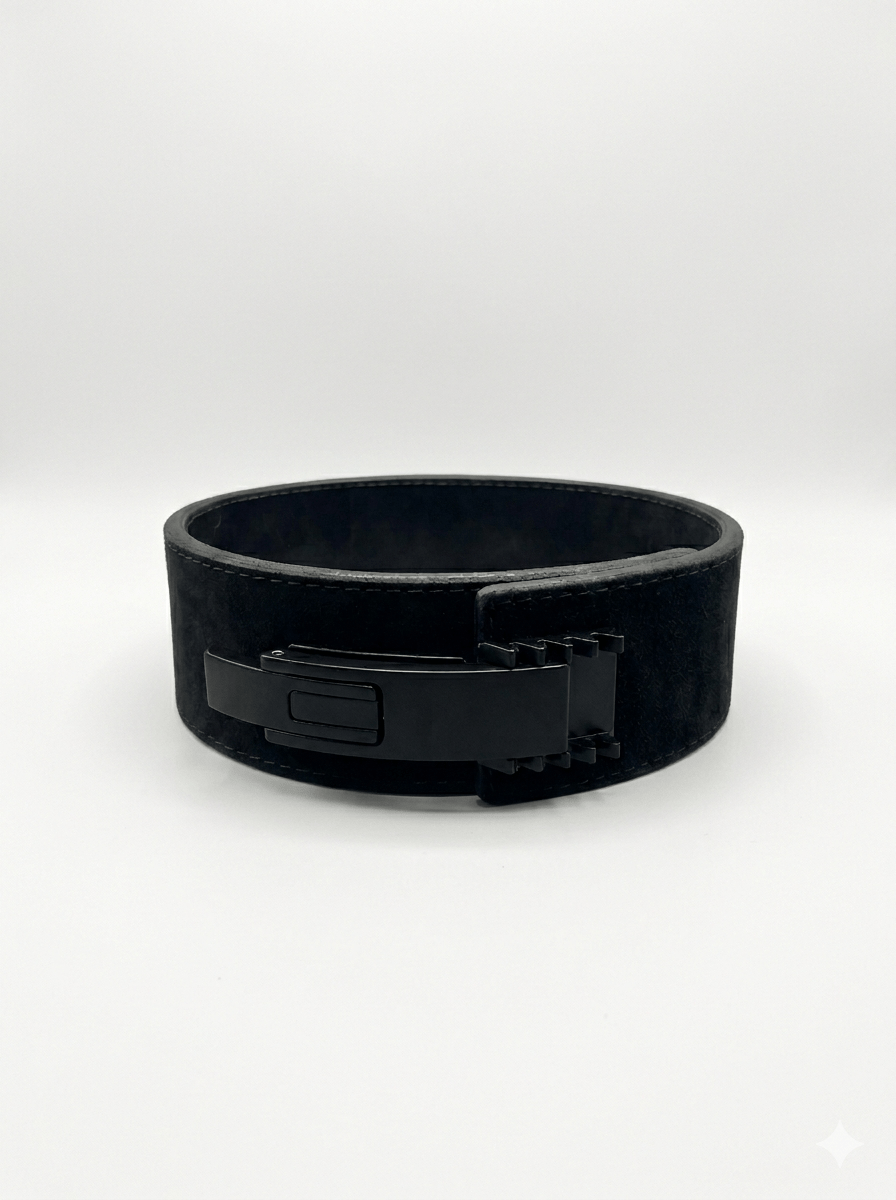
Finding the right lifting belt can be a draining process. With so many brands and materials on the market, it’s easy to get overwhelmed. This guide breaks down the different options available and provides my personal recommendations to help you find the perfect fit.
Why Use a Lifting Belt? (And Why You Shouldn’t)
First, let’s clear up a common misconception: Weightlifting belts are not a tool to fix bad form.
If your technique is off, a belt won’t save you; in fact, it might lead to a false sense of security and a higher risk of injury. If you are a beginner or inexperienced lifter, don’t buy a belt yet. Focus on your training, master your mechanics, and build a solid foundation first.
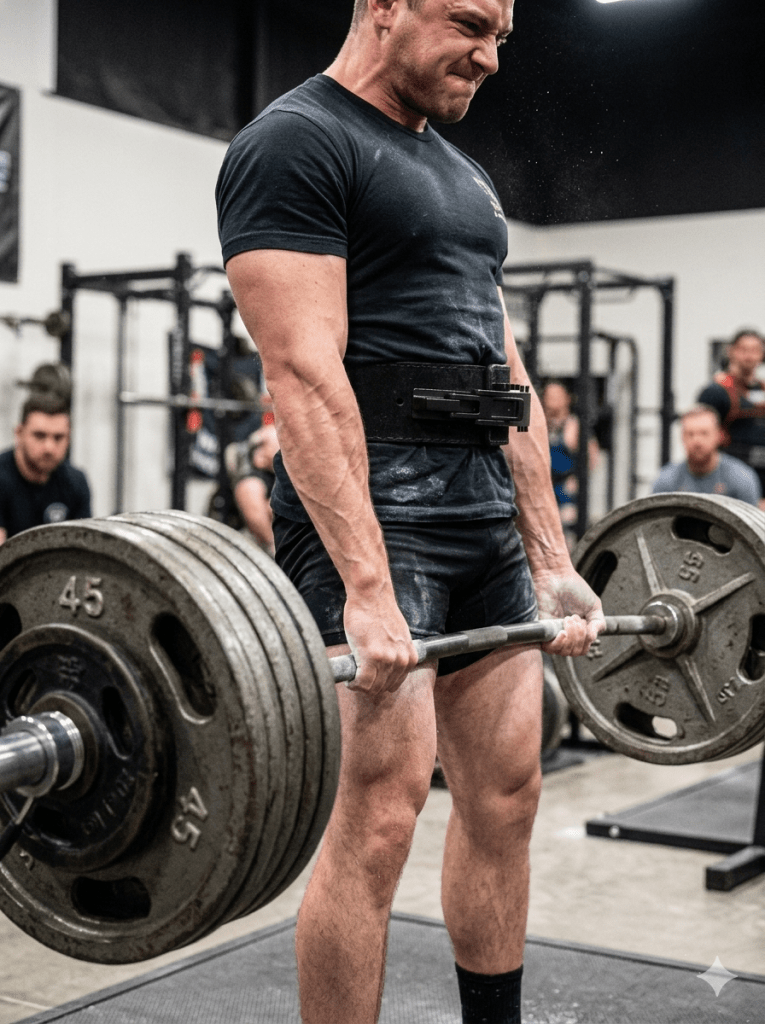
For experienced lifters, belts are a tool to help engage the core and back muscles. By providing a surface for your abs to brace against, they increase intra-abdominal pressure and stability. This allows you to stay “tight” throughout a heavy lift, which typically results in moving heavier weights safely.
Personal Note: In my experience, using a belt has allowed me to chase higher PRs while reducing the cumulative stress on my back—something I’m especially mindful of after years of competitive rowing.
When Should You Wear a Belt?
I don’t believe in wearing a belt for every single set. I prefer to mix it into my training based on intensity. Typically, if I’m lifting over 1x my body weight, I start thinking about putting it on. However, even at weights like 225 lbs, I often choose to lift “raw” (beltless) to ensure I’m not becoming over-reliant on the equipment and to keep my natural bracing strong.
Nylon vs. Leather: Which Material is Best?
Unless you are a competitive powerlifter, your choice usually comes down to two main types: Nylon and Leather.
1. Nylon Lifting Belts
Nylon belts are prized for their flexibility. Because they aren’t rigid, you can wear them throughout an entire workout without feeling restricted.
- Best for: CrossFit or functional fitness. If you’re hitting a heavy set of cleans followed immediately by pull-ups or burpees, you don’t want to be fumbling with a thick leather strap.
- Recommendation: Gymreapers. They make high-quality, durable nylon belts that offer great support while remaining easy to adjust. (Note: I am not sponsored by them—I just genuinely like the gear and the “badass” logo).
2. Leather Lifting Belts
Leather belts are much more rigid and offer significantly more support. These are specialized tools; you wouldn’t want to do a HIIT workout in one. When you’re locked into a leather belt, you’re there to move heavy iron.
- Best for: Dedicated Squats, Deadlifts, and Overhead Presses.
- The Locking Mechanism: This is the most important choice when buying leather. You generally have three options:
- Single/Double Prong: Works like a traditional trouser belt. They are classic, but it can be hard to get them “perfectly” snug, and the 1-inch hole spacing can be limiting.
- Traditional Lever: Very easy to flick on and off. However, like prongs, they usually have 1-inch spacing, meaning if your body weight fluctuates, the belt might be too tight or too loose on any given day.
- The Pioneer Adjustable Lever (PAL): This is the gold standard.
My Top Recommendation: Pioneer Belts with the PAL
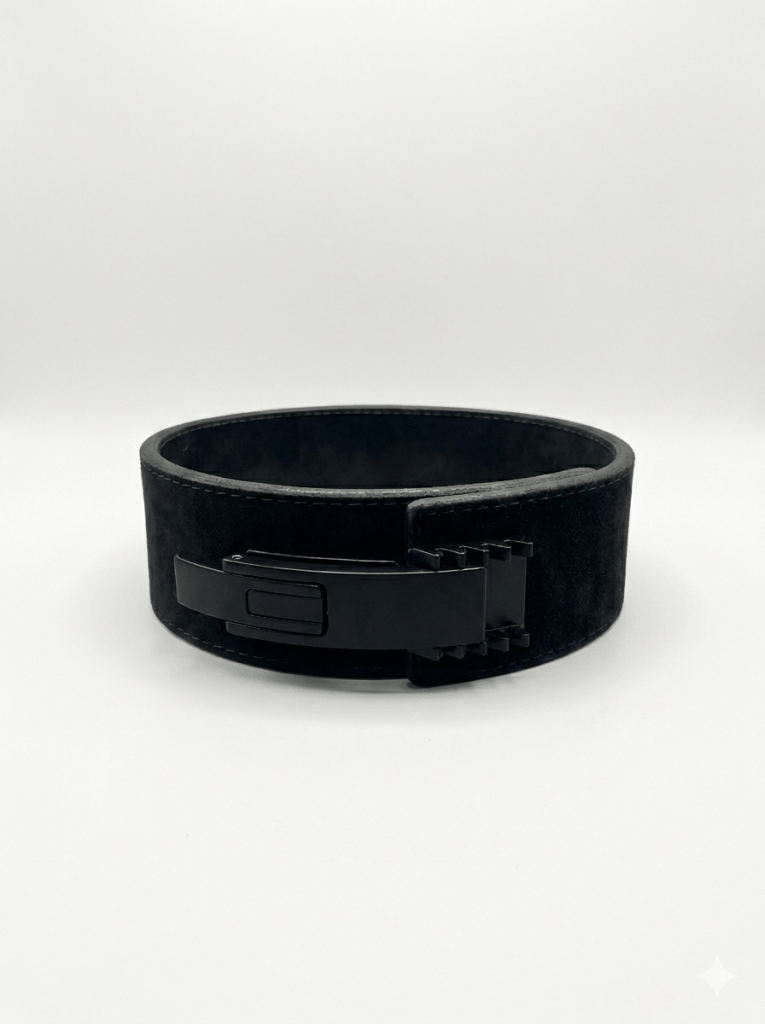
The Pioneer Adjustable Lever (PAL) is a game-changer because it combines the quick-release convenience of a lever with the micro-adjustability of a prong belt.
Instead of 1-inch jumps, the PAL uses “teeth” that are only a few millimeters apart. This allows you to find a perfect fit every single time, regardless of whether you’re bloated, wearing a thicker shirt, or have lost a few pounds. I am a huge fan of Pioneer belts for this reason—the ability to adjust day-to-day is invaluable.
Final Buying Tips
If you’re ready to pull the trigger on a belt, keep it simple:
- Identify your activity: Squats only? Go Leather. Mixed movements? Go Nylon.
- Choose your mechanism: If you go leather, I highly recommend an adjustable lever.
- Thickness: Stick with 10mm. It provides plenty of support for the average lifter; 13mm is usually overkill and takes much longer to break in.
Disclaimer: I am not a personal trainer. If you’ve never used a belt before, please consult with a professional to ensure your bracing technique is correct. These recommendations are based on my personal journey and preferences. Lift heavy, stay safe!
 GHK Co. | Men’s Fashion & Lifestyle
Leave a comment